
Looking Back: Sustainable Fashion in Schools
![Looking Back: Sustainable Fashion in Schools [photograph]](https://www.ideasfoundation.org.uk/wp-content/uploads/2026/07/Looking-Back-Sustainable-Fashion-in-Schools-3-2-HD.webp)
This time last year, classrooms in Whitby, Scarborough and Birmingham were transformed into vibrant, creative studios as students took part in our sustainable fashion workshops as part of the Climate Stories programme.
Across Whitby School, Graham School and Cockshut Hill School, hundreds of Year 7 students explored the environmental impact of the fashion industry through hands-on making and design.
For our partner schools in Whitby and Scarborough, this marked the ninth year of delivering the workshops, a powerful testament to their value. The programme is now embedded in school culture, with incoming Year 7 students already excited, having heard about it from older siblings and friends. That sense of anticipation creates a unique starting point: students arrive ready to engage, create and take part.
What makes these workshops particularly important is where they take place. In coastal communities like Whitby and Scarborough, young people often have fewer opportunities to access creative industries, enrichment activities and direct pathways into future careers. These workshops help bridge that gap, bringing high-quality, inspiring experiences directly into schools and opening up new possibilities.
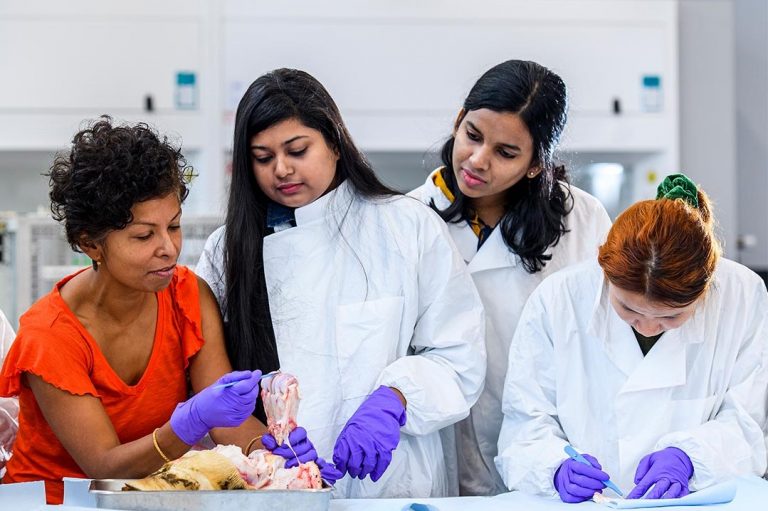
Students worked in teams to take their ideas from concept to creation, beginning with mood boards to explore themes around sustainability and fashion. They then moved into designing their outfits, experimenting with recycled materials and refining their ideas before bringing them to life through making. The process culminated in a runway-style showcase, where students presented their designs to their peers. For many, this was a significant moment – stepping forward to share their work built confidence, encouraged collaboration, and gave students a real sense of pride and achievement in what they had created together.
I enjoyed the people who worked with us and how they explained things. I also like how they tackled a real and threatening world problem, and in such a fun way at that.
Student, Graham School
Through working with recycled materials and repurposed textiles, students were challenged to think differently about fashion, consumption and waste. But the impact went far beyond the final pieces they created.
Students developed:
- creative confidence, experimenting with ideas and taking risks in a supportive environment
- problem-solving and critical thinking, working out how to transform materials into something new
- communication and collaboration skills, sharing ideas and working as teams
- a stronger understanding of sustainability and systems thinking, connecting everyday choices to global challenges
For many, it was also a shift in mindset. Students began to see themselves differently, not just as learners, but as creators, designers and problem-solvers. They were introduced to new pathways in creative and sustainable industries, helping to raise aspirations and broaden their sense of what might be possible in the future.
Teachers consistently described the workshops as a standout experience. Students who are often quieter or less engaged in traditional lessons found a new way to participate and contribute. The energy in the room, the pride in their work, and the willingness to share ideas all spoke to the power of learning through creativity.
Across both days, the level of engagement and excitement from students was remarkable. They were inspired not only to learn but to think critically and creatively about the impact of climate change and the role they can play in addressing it. The workshops sparked meaningful conversations and left a lasting impression.The experience has undoubtedly helped empower our students to become more environmentally conscious and proactive citizens.
Kirsty Brown, Teacher, Whitby School
A year on, the legacy of these workshops remains.
Not only in the work produced, but in the confidence built, the skills developed, and the conversations sparked around sustainability and the future.